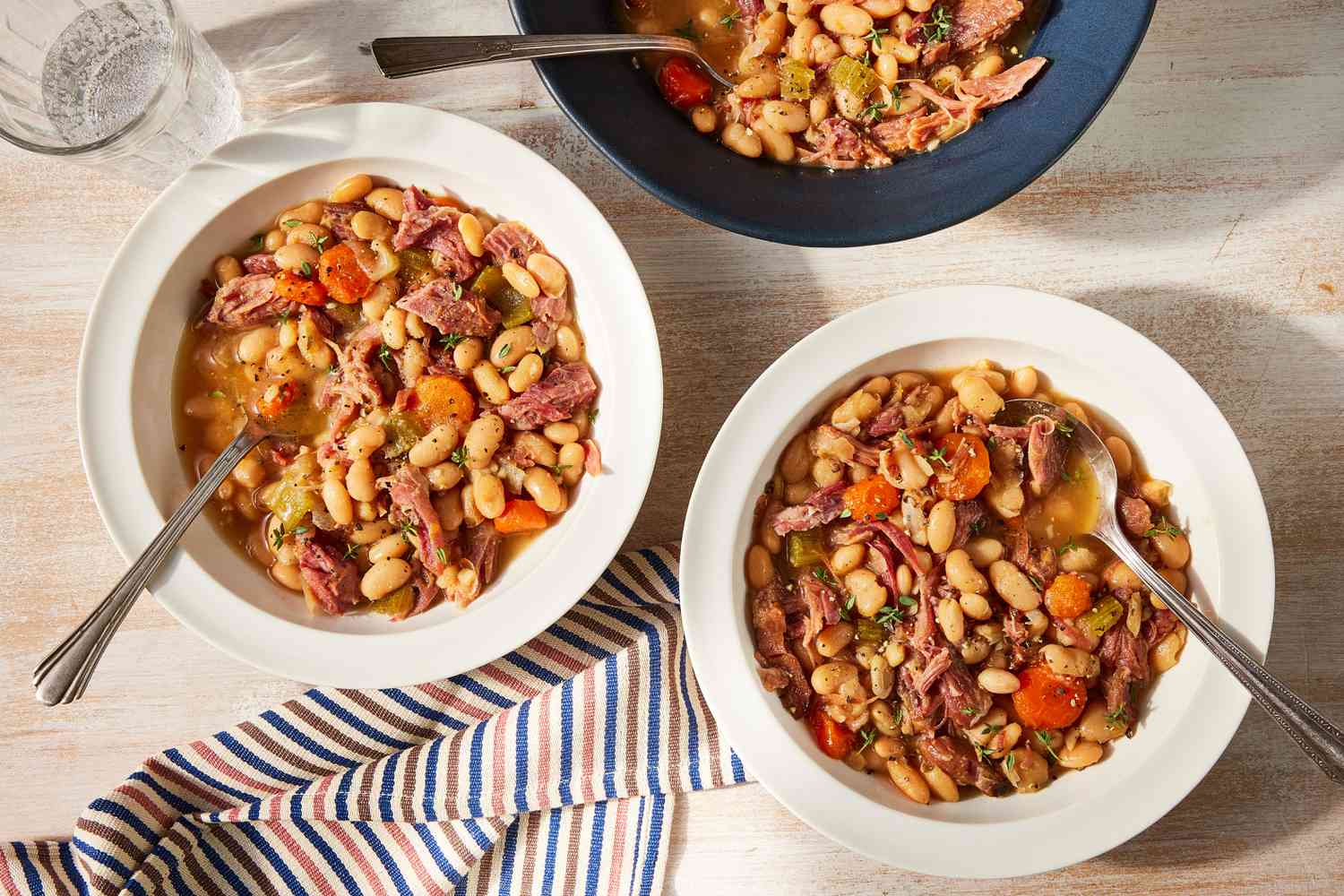
Ham and Bean Soup: Classic Comfort with Modern Twists & Variations
There’s a certain magic to a pot of Old Fashioned Ham & Bean Soup simmering on the stove. It’s more than just a meal; it’s a warm embrace, a trip down memory lane, and a testament to the art of transforming simple, humble ingredients into something truly extraordinary. This beloved classic, often born from the delicious necessity of using up holiday ham, has nourished families for generations. But while its roots are firmly in tradition, ham bean soup is also incredibly versatile, lending itself beautifully to modern twists and creative variations that keep it fresh and exciting.
Whether you're looking for a hearty, budget-friendly weeknight meal or a comforting bowl to chase away the chill, learning how to master this soup is a valuable culinary skill. This guide will walk you through the classic preparation, dive deep into the essential ingredients and techniques, and then spark your imagination with contemporary takes on this timeless favorite.
The Enduring Appeal of Classic Ham and Bean Soup
At its heart, classic ham bean soup is a celebration of practicality and flavor. It's the ultimate comfort food, deeply rooted in traditions where resourceful home cooks turned leftover holiday ham bones into a second, equally delicious, and often even better, meal. Imagine a chilly autumn evening or a crisp winter day, and the aroma of savory ham, earthy beans, and aromatic vegetables wafting through your home – that's the nostalgic promise of this soup.
Many classic recipes, passed down through generations, emphasize simplicity and a knack for making humble ingredients shine. Often associated with Midwestern cuisine, this soup embodies the principle of "waste not, want not." It’s incredibly budget-conscious, making it a perfect choice for stretching a grocery budget while still delivering a profoundly satisfying meal. Served alongside warm cornbread, crusty garlic bread, or a simple green salad, it transforms into a complete and deeply nourishing feast that truly feels like home.
Crafting the Perfect Base: Essential Ingredients and Expert Techniques
For truly Unlock Rich Flavor: Expert Tips for Delicious Ham and Bean Soup, understanding the role of each ingredient and the timing of your steps is crucial. While the concept is simple, a few expert tips can elevate your soup from good to truly exceptional.
Beans: The Heart of the Soup
- Dried vs. Canned: While canned beans offer convenience, dried beans provide a superior texture and richer flavor. Classic choices include navy beans, great northern beans, cannellini, or even kidney beans.
- Soaking: For dried beans, overnight soaking is highly recommended. It ensures more even cooking and can reduce overall cooking time. Always rinse soaked beans thoroughly before cooking. If you're short on time, a quick soak method (boil for a few minutes, then let stand for an hour) can also work, or consider the Instant Pot method below.
The Ham Component: Flavor Foundation
- Leftover Ham Bone: This is the gold standard. A bone with a little meat still clinging to it will impart an incredible depth of smoky, savory flavor to your broth as it slowly simmers.
- Smoked Ham Hocks: If a ham bone isn't available, two smoked ham hocks are an excellent alternative. They deliver that deep, smoky essence that defines traditional ham bean soup. Cook them until the meat is tender enough to fall off the bone, then shred and add back to the soup.
- Diced Ham: If neither a bone nor hocks are accessible, good quality diced smoked ham can be used, though you might want to consider supplementing with a dash of liquid smoke or a smoky broth to replicate the depth a bone provides.
Aromatics: The Flavor Trio
The classic mirepoix of onion, celery, and carrot forms the essential aromatic base. The key here is balance. Aim for roughly equal amounts of each. If one element, particularly onion or carrot, overpowers the others, it can throw off the harmony of the soup. Sautéing these gently until softened releases their sweet, earthy flavors, building the foundation of your broth.
- Beyond the Trio: Don't hesitate to add finely minced garlic alongside your aromatics for an extra layer of pungent warmth.
Seasoning Savvy: When to Add Salt
This is perhaps the most critical tip for perfectly cooked beans: Add salt only after the beans are tender. Salting beans too early, especially dried beans, can prevent them from softening properly, leaving them tough even after extended cooking. Black pepper is best added to individual servings or right before serving, as its bold flavor can become overwhelming if cooked in the soup for too long.
- Herbs and Spices: Fresh or dried herbs like Italian parsley, thyme, and rosemary complement the savory flavors beautifully. A bay leaf added during simmering can also enhance the overall aroma.
Modern Twists & Creative Variations to Elevate Your Bowl
While the classic ham bean soup is perfect as is, it's also a fantastic canvas for culinary creativity. Here are some contemporary twists and variations to inspire your next batch:
- The Smoky Bacon & Corn Upgrade: For an irresistible sweet and smoky kick, stir in a handful of crispy, crumbled bacon bits and a cup of sweet corn kernels during the last 10 minutes of cooking. Leftover fried corn, if you have it, would be an amazing addition, bringing even more depth.
- Instant Pot / Pressure Cooker Expedience: Short on time? The Instant Pot is your best friend. You can often skip the overnight bean soaking entirely! Simply add all ingredients (beans, ham hock/bone, aromatics, broth/water) to the pot, seal, and cook on high pressure for approximately 45 minutes to an hour (depending on bean age), followed by a natural release. This yields perfectly tender beans and a rich broth in a fraction of the traditional time.
- Vegetarian Interpretation: For a meat-free option, simply omit the ham. Use a robust vegetable broth and introduce smoky flavor with a generous pinch of smoked paprika. Mushrooms, liquid smoke, or even a touch of Marmite can also add umami depth.
- Creamy Indulgence: If you prefer a richer, thicker consistency, scoop out one to two cups of the finished soup, blend it until smooth, and then stir it back into the pot. This naturally thickens the soup without adding dairy, creating a wonderfully creamy texture.
- Spicy Kick: For those who love a bit of heat, stir in a spoonful of your favorite hot salsa, a dash of hot sauce, or a pinch of red pepper flakes during the last stages of cooking or directly into your bowl. Chipotle powder can also add a smoky heat.
- Root Vegetable Boost: Beyond carrots, consider adding diced potatoes (Russet, Yukon Gold, or sweet potatoes for a touch of sweetness), parsnips, or turnips for extra heartiness and nutritional value. Add these about 20-30 minutes before the soup is done, ensuring they cook through.
- Greens for Goodness: Wilt in a handful of fresh greens like spinach, kale, or Swiss chard during the last 5-10 minutes of cooking. They add vibrant color, fresh flavor, and a healthy dose of vitamins.
Serving Suggestions & Storage for Future Comfort
A steaming bowl of ham bean soup is a meal in itself, but a few accompaniments can make it even more satisfying:
- Classic Pairings: Warm cornbread, crusty bread (for dipping!), or garlic breadsticks are traditional and perfect for soaking up every last drop of the flavorful broth.
- Fresh Contrast: A simple crisp green salad with a light vinaigrette provides a refreshing counterpoint to the rich, hearty soup.
- Garnishes: A sprinkle of fresh parsley, a dollop of sour cream or Greek yogurt, or a dash of your favorite hot sauce can elevate the presentation and flavor profile.
One of the best qualities of ham bean soup is how beautifully it stores and reheats, often tasting even better the next day as the flavors meld further. Allow the soup to cool completely before transferring it to airtight containers. It will keep well in the refrigerator for 3-4 days. For longer storage, this soup is a freezer superstar! Portion it into freezer-safe containers or bags, leaving a little headspace for expansion, and freeze for up to 3 months. Thaw overnight in the refrigerator and gently reheat on the stovetop, adding a splash of water or broth if it's too thick.
From its humble origins as a resourceful way to utilize every bit of a holiday ham to its versatile potential for modern flavor explorations, ham bean soup remains a beloved culinary icon. It’s a testament to the power of simple ingredients, slow cooking, and the comforting feeling of a homemade meal. Whether you stick to the time-honored recipe or experiment with a contemporary twist, a bowl of this soup is sure to bring warmth, satisfaction, and a touch of nostalgic comfort to your table.
